
Shenzhen Flying International Freight
Forwarder Co., Ltd.
sales@flying-trans.com
+86-15818568920

- All
- Product Name
- Product Keyword
- Product Model
- Product Summary
- Product Description
- Multi Field Search
Views: 0 Author: Site Editor Publish Time: 2025-10-21 Origin: Site


In today’s rapidly evolving global trade environment, logistics service providers (LSPs) are under increasing pressure to optimize operations and reduce costs. Shenzhen Flying International Freight Forwarder Co., Ltd. (hereafter referred to as Flying International) stands at the forefront of this transformation, leveraging technological advancements to deliver efficient, cost-effective solutions for clients worldwide. This article explores the strategies and innovations Flying International employs to stay competitive, and how these reflect broader industry trends.
The logistics industry has traditionally relied on manual processes and paper-based documentation, but the digital revolution has changed the game. Flying International has invested heavily in digital platforms that automate routine tasks, streamline communication, and enhance visibility across the supply chain. By adopting cloud-based transportation management systems (TMS), Flying International enables real-time tracking of shipments, which not only improves accuracy but also reduces administrative overhead. This digital shift is crucial for cost reduction, as it minimizes human error and accelerates decision-making.
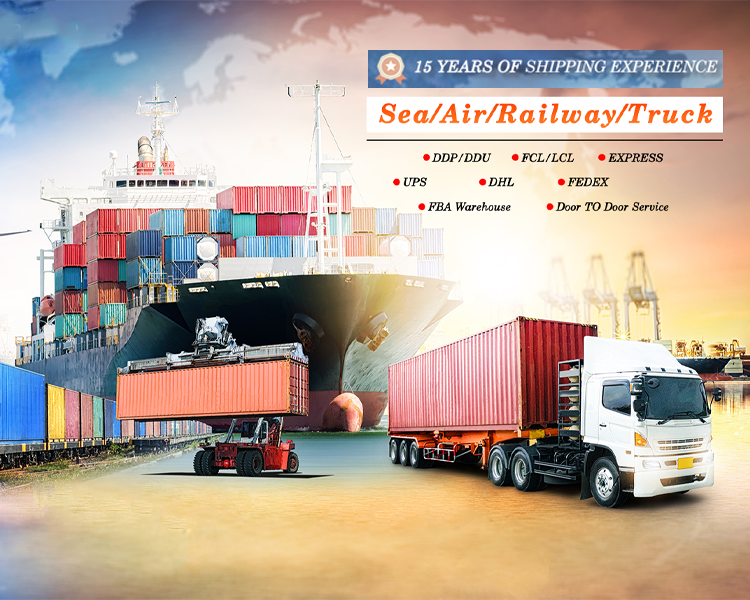
Transportation Management Systems (TMS): These platforms help optimize route planning, consolidate shipments, and automate billing processes, leading to significant cost reductions.
Warehouse Automation: Flying International uses automated storage and retrieval systems (ASRS) and robotics to streamline warehouse operations, reducing labor costs and improving inventory accuracy.
Data Analytics: Advanced analytics tools allow Flying International to analyze shipment data, identify inefficiencies, and forecast demand more accurately, enabling smarter resource allocation.
By integrating these technologies, Flying International not only cuts operational expenses but also enhances service reliability, which is a key differentiator in the competitive logistics landscape.
Freight forwarding is a cornerstone of the global supply chain, and companies like Flying International are instrumental in ensuring goods move seamlessly across borders. The company’s expertise in customs clearance, documentation, and compliance is complemented by its technological prowess. For instance, Flying International utilizes electronic data interchange (EDI) systems to facilitate smooth communication with customs authorities and partners, expediting the clearance process and reducing paperwork costs.
Supply chain optimization is another area where technology plays a pivotal role. Flying International employs supply chain visibility platforms that provide end-to-end tracking and exception management. This not only helps in reducing delays but also minimizes costly disruptions by enabling proactive problem-solving.
With the rise of cross-border e-commerce logistics, Flying International has adapted its service offerings to cater to the unique demands of online retailers. The company provides tailored solutions that integrate last-mile delivery, customs clearance, and returns management, all powered by sophisticated IT systems. This approach ensures that e-commerce clients can scale globally while keeping logistics costs in check.
Moreover, Flying International’s freight forwarding services are enhanced by digital booking platforms that allow customers to compare rates, book shipments, and track deliveries online. This not only streamlines the customer experience but also reduces the administrative burden on the company, translating into lower operational costs.
One of the most significant trends in the logistics industry is the move towards collaborative technology. Flying International partners with carriers, port operators, and technology vendors to create a connected logistics ecosystem. Through the use of APIs and shared data platforms, the company can synchronize information across multiple stakeholders, reducing duplication of effort and avoiding costly miscommunications.
This collaborative approach is particularly valuable in the context of cross-border e-commerce logistics, where timely information exchange is critical for customer satisfaction. By leveraging these partnerships and platforms, Flying International ensures that clients benefit from faster transit times and reduced logistics expenses.
The adoption of advanced technology by LSPs like Flying International is reshaping the entire logistics sector. Industry analysts note that automation, AI, and IoT are driving a new era of efficiency, enabling logistics providers to handle greater volumes at lower costs. As global trade continues to expand, the ability to adapt quickly and leverage digital tools will be a key determinant of success.
Furthermore, regulatory changes and customer expectations are pushing logistics companies to enhance transparency and sustainability. Flying International is responding by investing in green logistics solutions, such as route optimization for fuel efficiency and digital documentation to reduce paper waste. These initiatives not only lower costs but also align with the growing demand for environmentally responsible logistics services.
Shenzhen Flying International Freight Forwarder Co., Ltd. exemplifies how logistics service providers can harness technology to achieve significant cost savings while delivering superior service. From digital transformation and automation to collaborative platforms and sustainability initiatives, Flying International’s strategies reflect the broader industry’s shift towards smarter, more agile logistics solutions.
As the logistics landscape continues to evolve, companies that prioritize innovation and adaptability—like Flying International—will be best positioned to thrive in a competitive global market. Whether it’s cross-border e-commerce logistics or traditional freight forwarding services, technology remains the cornerstone of cost-efficient, customer-centric logistics operations.
Tags:Railway Shipping service,Air Shipping Forwarder,Railway Shipping Forwarder


