
Shenzhen Flying International Freight
Forwarder Co., Ltd.
sales@flying-trans.com
+86-15818568920

- All
- Product Name
- Product Keyword
- Product Model
- Product Summary
- Product Description
- Multi Field Search
Views: 0 Author: Site Editor Publish Time: 2026-01-13 Origin: Site



Railway shipping and ocean freight are two major methods of transportation in global logistics, each offering unique advantages depending on the nature of the cargo, the distance, and time sensitivity. Railway shipping is ideal for inland transportation and offers relatively faster transit times within regions with developed rail networks. On the other hand, ocean freight is well-suited for long-distance shipments of large volumes, providing cost efficiency for bulk cargo across vast oceans. In logistics, choosing the right shipping method is crucial for balancing both costs and delivery times. A careful comparison of these two options is vital for businesses to optimize their supply chains, reduce expenses, and meet customer demands effectively. By understanding the strengths and limitations of railway shipping versus ocean freight, companies can make more informed decisions and choose the best method based on their specific shipping needs.
Both railway shipping and ocean freight have distinct cost structures:
Railway Shipping:
Fuel Costs: More fuel-efficient than road freight but typically more expensive than ocean freight for long distances.
Handling Costs: Includes loading/unloading fees at rail terminals.
Infrastructure Fees: Charges for track usage and maintenance.
Insurance: Generally lower premiums than ocean freight due to fewer risks.
Additional Charges: Customs clearance, tracking services, and security fees.
Ocean Freight:
Fuel Costs: Ships consume significant fuel, leading to variable costs and fuel surcharges.
Handling Costs: High fees at busy ports for loading and unloading.
Infrastructure Fees: Port fees for dock usage and container storage.
Insurance: Higher premiums due to risks from weather and piracy.
Additional Charges: Include documentation, customs duties, and container leasing.
Fuel Costs: Ocean freight is more cost-effective for long-distance shipments, while rail is cheaper than road but more expensive than sea for large volumes.
Handling Fees: Ocean freight tends to have higher port handling costs, whereas rail can offer more economical handling in well-connected areas.
Insurance: Rail shipping typically has lower insurance premiums as it poses fewer risks compared to ocean freight, which faces higher exposure to piracy and weather disruptions.
Additional Costs: Both methods have customs and security surcharges, but ocean freight generally incurs more due to international logistics complexity.
Cargo Type: Ocean freight is more cost-effective for bulk shipments, while rail offers better security for high-value goods.
Distance: For long distances, ocean freight is cheaper, but rail is often preferred for short-distance or cross-border shipments.
Volume: Ocean freight benefits from economies of scale for high-volume shipments, while rail is more flexible and cost-effective for smaller loads or regions with limited sea access.
Railway Shipping:
Faster Transit for Inland Transport: Railway shipping is typically faster than ocean freight for inland segments of the journey. It is ideal for cross-border shipping between neighboring countries or within regions with well-established rail networks.
Long-Haul Efficiency: Rail transport can offer quicker delivery for certain long-haul routes, especially where rail infrastructure is robust, such as between major cities in Europe or China.
Ocean Freight:
Slower for Long Distances: Ocean freight is the go-to option for international shipping over long distances. While it’s ideal for bulk cargo, its long transit times make it slower compared to rail for long-haul routes.
Port Delays: Ships are susceptible to delays due to port congestion, weather conditions, and the complex logistics involved in unloading at large ports.
Port Congestion (Ocean Freight):
Ocean freight can experience significant delays due to congestion at ports, especially during peak shipping seasons. Delays in unloading, customs clearance, and handling can add several days or even weeks to the overall transit time.
Weather Conditions:
Railway Shipping is less affected by weather disruptions than ocean freight, which is more prone to delays from storms, hurricanes, and other sea-related conditions. Extreme weather events like fog or rough seas can slow ships significantly.
Rail transport remains relatively unaffected, except for extreme events like snowstorms or flooding that might impact the tracks.
Rail Network Efficiency:
The speed of rail transport can vary significantly depending on the quality of the railway infrastructure. Developed networks like those in Europe, China, and parts of North America offer fast and efficient delivery times, while regions with poor rail infrastructure may face delays.
Shipping Routes and Schedules:
Ocean Freight has longer, less flexible schedules due to its reliance on specific routes and port schedules, whereas railways offer more predictable delivery windows, especially in regions with frequent departures.
Asia to Europe (Rail vs Ocean):
Railway Shipping: Approx. 15–20 days for routes like China to Europe via the Trans-Siberian Railway.
Ocean Freight: Approx. 30–40 days from ports like Shanghai or Hong Kong to European ports like Rotterdam or Hamburg.
North America to Europe (Rail vs Ocean):
Railway Shipping: For goods moved by rail across North America to Canada, the journey can take 6-10 days for cross-border routes to major cities in Europe.
Ocean Freight: Typically takes around 10–15 days for ocean freight from East Coast ports (e.g., New York or Boston) to ports like Southampton or Hamburg.
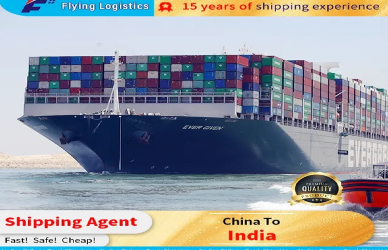
Economies of Scale: Ocean freight is cost-effective for large shipments due to the high capacity of shipping vessels. The cost per ton decreases with larger volumes, making it the most affordable choice for long-distance bulk transport.
Fuel Efficiency: While rail is fuel-efficient, ocean freight is typically cheaper for large volumes due to the efficiency of shipping large quantities over long distances.
Bulk Cargo Handling: Ocean freight is perfect for bulk goods like raw materials, minerals, and food products, which can be transported economically in large quantities.
Non-Urgent Shipments: For non-urgent shipments, ocean freight is affordable and reliable, making it ideal for goods with flexible delivery timelines.
Global Infrastructure: Ocean freight benefits from a vast network of ports and shipping routes, allowing access to nearly every region worldwide. This makes it ideal for international trade.
Port Access: Unlike rail, which is often regionally limited, ocean freight can reach remote locations and major global hubs, ensuring wide-reaching availability.
Railway Shipping:
Rail transport is more energy-efficient than road freight, emitting lower carbon per ton-kilometer, especially when fully loaded. Electric trains are further reducing emissions, particularly in regions with green energy.
Ocean Freight:
Ocean freight has a higher carbon footprint due to large cargo vessel fuel consumption. While ships are becoming more fuel-efficient, the sheer size still results in substantial emissions, especially for long distances. Slow steaming reduces fuel use but increases transit time.
Railway Shipping:
Rail is more sustainable due to its ability to move large volumes of cargo efficiently with lower emissions. Investments in electric trains and renewable energy sources are enhancing its sustainability.
Ocean Freight:
Ocean freight is focusing on sustainable innovations like low-sulfur fuels and eco-friendly vessel designs to reduce its environmental impact. However, its emissions remain significant, despite advances in green technologies.
Railway Shipping:
Electric rail systems powered by renewable energy are reducing rail’s carbon footprint. Technologies like regenerative braking and smart logistics further improve rail efficiency.
Ocean Freight:
The maritime industry is adopting biofuels, LNG-powered ships, and wind-assisted propulsion to lower fuel consumption and emissions. Carbon capture and energy-efficient designs are also in development.
Ocean freight is generally more cost-effective for large-volume shipments, especially for long-distance transport.
Railway shipping is less affected by weather, while ocean freight is more vulnerable to delays due to storms, rough seas, and port congestion.
Ocean freight typically has a lower carbon footprint for long distances, but rail transport is increasingly more sustainable due to fuel efficiency and electric-powered trains.
While rail shipping is not as globally available as ocean freight, it is increasingly viable for inland transportation and cross-border shipping in regions with well-developed rail networks.
When comparing railway shipping to ocean freight, key differences in cost and time become clear. Railway shipping offers faster inland transit and often lower environmental impact, making it ideal for medium-distance shipments and bulk goods. However, it may have higher costs over long distances compared to ocean freight. On the other hand, ocean freight is more cost-effective for large-volume shipments over long distances, though it is slower and has a larger carbon footprint. The best choice depends on your specific shipping needs, such as delivery speed, cargo type, volume, and budget. For businesses prioritizing cost efficiency and long-distance transport, ocean freight may be more suitable, while railway shipping is an excellent choice for faster, more environmentally friendly deliveries.


