
Shenzhen Flying International Freight
Forwarder Co., Ltd.
sales@flying-trans.com
+86-15818568920

- All
- Product Name
- Product Keyword
- Product Model
- Product Summary
- Product Description
- Multi Field Search
Views: 0 Author: Site Editor Publish Time: 2026-01-27 Origin: Site


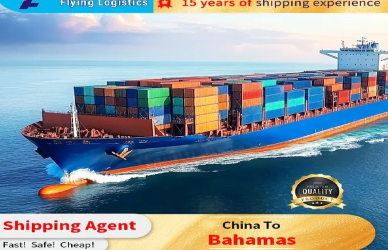
Freight forwarding is a crucial service that facilitates the movement of goods across international borders. It involves the coordination and management of various aspects of the shipping process, including booking cargo, arranging transport, managing customs clearance, and providing real-time tracking of shipments. Freight forwarders act as intermediaries between businesses and carriers (airlines, shipping lines, trucking companies), ensuring that goods are transported efficiently and in compliance with global regulations. For businesses involved in international trade, freight forwarding is essential in streamlining logistics, saving time, reducing costs, and ensuring that goods reach their destination safely and on time. Understanding the role of a freight forwarder is key for any business looking to expand or manage cross-border shipments effectively.
A freight forwarder is essential in organizing the transportation of goods across international borders, acting as an intermediary between businesses and transportation providers. They ensure the smooth, efficient, and timely delivery of goods.
Freight forwarders secure cargo space with carriers like airlines, shipping lines, and trucking companies, ensuring the right mode of transport is selected based on cargo size and urgency. They aim to minimize costs and transit time.
Space reservation: Secures the right amount of space with the carrier.
Optimizing transport: Chooses the best transport mode for the shipment.
Freight forwarders coordinate the movement of goods, selecting the most efficient route and transport mode, sometimes using multimodal transport (air, sea, and land) for flexibility and cost savings.
Multimodal transport: Combines different transport methods for better efficiency.
Logistics management: Ensures timely delivery by monitoring and adjusting routes as needed.
Freight forwarders handle all customs documentation, such as commercial invoices and export declarations, ensuring compliance with international regulations and preventing delays at customs.
Customs paperwork: Prepares necessary documents for smooth clearance.
Regulatory compliance: Keeps track of customs requirements to avoid fines or delays.
Freight forwarders offer real-time tracking, allowing businesses to monitor their shipments throughout the transit process, ensuring transparency and quick adjustments if any issues arise.
Tracking systems: Provide continuous updates on shipment status.
Issue resolution: Proactively handles delays or disruptions during transit.
Freight forwarding is a crucial process in international logistics that ensures goods are moved efficiently from the sender to the receiver. Freight forwarders act as intermediaries between businesses, transport carriers, and customs authorities. Here’s a step-by-step breakdown of the freight forwarding process:
The first step in freight forwarding is booking the shipment. Once the shipper has identified the goods that need to be transported, they approach a freight forwarder to arrange the transport. The freight forwarder assesses the shipment details, such as size, weight, and destination, and determines the most appropriate mode of transport (air, sea, or land).
Booking cargo space: Freight forwarders reserve the necessary space with airlines, shipping lines, or trucking companies.
Shipping instructions: The shipper provides details about the cargo, including the delivery timeline, destination, and any special requirements.
Once the booking is made, the freight forwarder prepares all required documentation for the shipment. This includes:
Commercial invoices: A document stating the value of the goods.
Packing lists: Details on the contents of the shipment.
Export declarations: Required for goods leaving a country.
Bill of lading or air waybill: A contract between the shipper and carrier, which details the cargo and transport terms.
The freight forwarder ensures that all paperwork is accurate and complete to avoid customs delays.
After documentation is prepared, the freight forwarder arranges the actual transport. This could involve a multimodal approach, combining air, sea, or land transportation. They manage the movement of goods from the shipper’s location to the nearest port or airport.
Coordination with carriers: The forwarder works closely with carriers to ensure that cargo is picked up and transported to the designated destination.
Route planning: Freight forwarders optimize routes based on cost, time, and any special conditions like perishable goods or fragile items.
At this stage, the freight forwarder handles the customs clearance process. This involves submitting all required documents to customs authorities and ensuring that the shipment complies with the import/export regulations of the destination country.
Customs declarations: The freight forwarder submits the proper documents and ensures the shipment is cleared for entry or exit.
Duties and taxes: The freight forwarder may also arrange for the payment of customs duties and taxes.
Once the shipment is cleared through customs, the freight forwarder coordinates the final delivery to the recipient. Depending on the shipping method, this could involve delivery by land, air, or sea.
Last-mile delivery: The forwarder ensures that the goods are delivered to the final destination.
Tracking and updates: Throughout the journey, the freight forwarder provides real-time tracking, allowing the shipper and recipient to monitor the shipment’s progress.
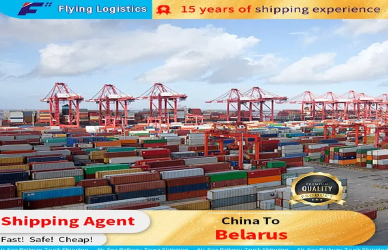
Freight forwarders provide essential services that streamline global shipping, handling logistics and coordination for timely, cost-effective, and compliant deliveries. Here’s an overview of the key services they offer:
Freight forwarders secure transport space with air, sea, or land carriers based on shipment size, weight, and destination. They optimize transport modes to balance cost and speed.
Air Freight: Fast delivery for time-sensitive goods.
Sea Freight: Cost-effective for large, bulk shipments.
Land Freight: Efficient for regional shipments or final delivery.
Freight forwarders leverage relationships with carriers to secure better rates and availability.
Freight forwarders manage multimodal transport, optimizing routes to ensure efficient delivery. They handle the coordination of different transport modes—air, sea, and land—to reduce delays and costs.
Route optimization: Ensures the best transport option for cost and time efficiency.
Managing disruptions: Adjusts routes in case of delays, minimizing impact on delivery schedules.
Navigating customs regulations is critical in international shipping. Freight forwarders handle all required documentation, ensuring compliance with import/export regulations and facilitating smooth customs clearance.
Documentation: Prepares commercial invoices, packing lists, and export declarations.
Customs duties: Ensures the correct tariffs and fees are paid.
Regulatory compliance: Keeps up-to-date with changes in customs laws to avoid delays or fines.
Freight forwarders offer real-time tracking, giving shippers visibility into the status and location of their shipments at every stage of the journey.
Tracking updates: Provides continuous updates on the shipment’s progress.
Issue resolution: Quickly addresses delays or issues, keeping customers informed.
Transparency: Enhances customer trust by offering visibility into the process.
Partnering with a freight forwarder provides businesses with several key advantages, including cost efficiency, time savings logistical expertise, and regulatory compliance. Here are the primary benefits:
Freight forwarders leverage their relationships with carriers to negotiate better rates, helping businesses save on shipping costs. They also offer consolidated shipments, combining multiple smaller orders into one larger shipment, further reducing transportation expenses.
Negotiated rates: Lower shipping costs through industry connections.
Consolidated shipments: Reduces overall transportation fees by combining smaller shipments.
Freight forwarders handle the complexities of logistics and documentation, allowing businesses to focus on core operations. They take care of customs forms, bills of lading, export declarations, and coordination of transport modes, ensuring a smooth process.
Documentation management: Prepares and files all required shipping and customs documents.
Logistics coordination: Manages routes, schedules, and shipping, ensuring timely deliveries.
Freight forwarders are experts in international regulations and ensure shipments comply with all import/export rules. Their knowledge reduces the risk of delays, fines, or legal issues related to customs or trade restrictions.
Regulatory expertise: Ensures compliance with all relevant laws and regulations.
Risk mitigation: Minimizes the chances of shipping delays and penalties.
A freight forwarder arranges logistics, booking, and customs clearance, while a shipping company physically transports the goods.
Yes, freight forwarders can handle various types of cargo, including perishable goods, electronics, and hazardous materials.
They negotiate better rates with carriers, consolidate shipments, and optimize routes to reduce costs.
Yes, freight forwarders help small businesses manage logistics and navigate international regulations, ensuring timely, efficient shipments.
Freight forwarding is a vital component of global trade, simplifying the complex logistics involved in international shipping. By coordinating various aspects of transportation, documentation, and compliance, freight forwarders ensure that goods are delivered efficiently and on time, while minimizing risks and costs. Choosing the right freight forwarder is essential for streamlining the shipping process and enhancing overall business efficiency. With their expertise in navigating international regulations and managing the entire logistics chain, freight forwarders help businesses focus on growth, avoid delays, and ensure seamless cross-border trade. Ultimately, partnering with the right freight forwarder can significantly improve a company's competitive edge in the global marketplace.


