
Shenzhen Flying International Freight
Forwarder Co., Ltd.
sales@flying-trans.com
+86-15818568920

- All
- Product Name
- Product Keyword
- Product Model
- Product Summary
- Product Description
- Multi Field Search
Views: 0 Author: Site Editor Publish Time: 2025-11-01 Origin: Site


In the intricate world of global trade, the role of a Freight Forwarder is pivotal. These professionals are the unsung heroes who ensure that goods traverse international borders seamlessly. Understanding the costs and fees associated with freight forwarding is crucial for businesses aiming to optimize their logistics operations. This article delves into the complexities of freight forwarding, offering insights into the cost structures, services provided, and the value that professional freight forwarders bring to the table. For those seeking a deeper understanding of logistics, exploring the Freight Forwarding landscape is essential.
Freight forwarding is a service used by companies that deal in international or multi-national import and export. While the freight forwarder does not move the freight itself, it acts as an intermediary between the client and various transportation services. The process involves a range of activities, including customs clearance, warehousing, and insurance. A professional freight forwarder leverages its expertise to navigate the complexities of global shipping, ensuring that goods reach their destination efficiently and cost-effectively.
A freight forwarder acts as a logistics expert, coordinating the movement of goods from one location to another. They handle the logistics of shipping, including negotiating freight rates, booking cargo space, and arranging for the pickup and delivery of goods. Additionally, they provide valuable advice on the best routes and modes of transport, taking into account factors such as cost, speed, and reliability. By leveraging their extensive network of contacts and industry knowledge, freight forwarders help businesses navigate the complexities of international shipping.
Freight forwarders offer a range of services that are essential for the smooth movement of goods across borders. These services include:
Customs Clearance: Navigating the complex regulations and paperwork required for international shipping.
Insurance: Providing coverage for goods in transit to protect against loss or damage.
Warehousing: Offering storage solutions for goods awaiting shipment or delivery.
Consolidation: Combining multiple shipments into a single container to reduce costs.
Documentation: Handling all necessary paperwork, including bills of lading and shipping manifests.
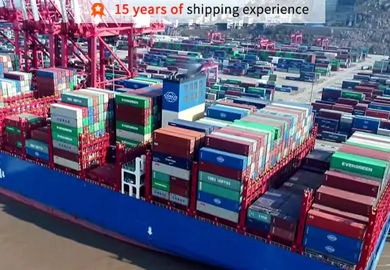
Understanding the cost structures in freight forwarding is essential for businesses looking to optimize their logistics operations. The costs associated with freight forwarding can be broadly categorized into three main areas: transportation costs, handling fees, and administrative charges.
Transportation costs are the most significant component of freight forwarding expenses. These costs vary depending on the mode of transport, distance, and the weight and volume of the goods being shipped. Air freight, for example, is typically more expensive than sea freight due to the speed and convenience it offers. An air freight forwarder may charge higher rates, but it can significantly reduce transit times, which is crucial for time-sensitive shipments.
Handling fees cover the costs associated with loading, unloading, and transferring goods between different modes of transport. These fees can vary depending on the complexity of the logistics involved and the facilities used. For instance, shipments that require specialized equipment or labor for handling may incur higher fees.
Administrative charges encompass the costs related to documentation, customs clearance, and other bureaucratic processes. These charges can vary depending on the destination country and the complexity of the shipment. A professional freight forwarder can help minimize these costs by ensuring that all paperwork is completed accurately and efficiently.
Engaging a professional freight forwarder offers numerous benefits for businesses involved in international trade. These experts provide valuable insights and guidance, helping businesses navigate the complexities of global shipping. By leveraging their industry knowledge and network of contacts, freight forwarders can negotiate better rates, optimize shipping routes, and ensure that goods are delivered on time and within budget.
Freight forwarders play a crucial role in managing the risks associated with international shipping. They provide insurance coverage for goods in transit, protecting businesses against potential losses due to damage or theft. Additionally, they offer advice on the best practices for packaging and handling goods to minimize the risk of damage during transit.
Navigating the complex web of international trade regulations can be challenging for businesses. Freight forwarders have a deep understanding of the regulatory requirements for different countries and can help ensure that shipments comply with all necessary laws and regulations. This expertise is invaluable in avoiding costly delays and penalties associated with non-compliance.
In conclusion, the role of a Freight Forwarder Service is indispensable in the realm of international trade. By understanding the costs and fees associated with freight forwarding, businesses can make informed decisions that optimize their logistics operations. The expertise and services provided by professional freight forwarders are invaluable in navigating the complexities of global shipping, ensuring that goods are delivered efficiently and cost-effectively. For businesses looking to enhance their logistics strategies, partnering with an international freight forwarder is a wise investment.
1. What is a freight forwarder?
A freight forwarder is a logistics expert who coordinates the movement of goods from one location to another, handling various aspects of the shipping process, including customs clearance, warehousing, and documentation.
2. How do freight forwarders charge for their services?
Freight forwarders charge based on transportation costs, handling fees, and administrative charges. These costs vary depending on factors such as the mode of transport, distance, and complexity of the shipment.
3. What are the benefits of using a professional freight forwarder?
Professional freight forwarders offer valuable insights and guidance, helping businesses navigate the complexities of global shipping. They can negotiate better rates, optimize shipping routes, and ensure compliance with international regulations.
4. What services do freight forwarders provide?
Freight forwarders provide a range of services, including customs clearance, insurance, warehousing, consolidation, and documentation, to ensure the smooth movement of goods across borders.
5. How can a freight forwarder help with risk management?
Freight forwarders manage risks by providing insurance coverage for goods in transit and offering advice on best practices for packaging and handling to minimize the risk of damage.
6. Why is compliance important in freight forwarding?
Compliance with international trade regulations is crucial to avoid costly delays and penalties. Freight forwarders have the expertise to ensure that shipments comply with all necessary laws and regulations.
7. What is the difference between air freight and sea freight?
Air freight is typically faster and more expensive than sea freight. It is ideal for time-sensitive shipments, while sea freight is more cost-effective for larger, less urgent shipments.


