
Shenzhen Flying International Freight
Forwarder Co., Ltd.
sales@flying-trans.com
+86-15818568920

- All
- Product Name
- Product Keyword
- Product Model
- Product Summary
- Product Description
- Multi Field Search
Views: 0 Author: Site Editor Publish Time: 2025-11-06 Origin: Site


In the dynamic world of international trade, logistics service providers play an indispensable role. These entities are the backbone of global commerce, ensuring that goods move seamlessly across borders, continents, and oceans. As the world becomes increasingly interconnected, the demand for efficient and reliable logistics services continues to grow.
Among the leading companies in this sector is Shenzhen Flying International Freight Forwarder Co., Ltd., commonly known as Flying International. This company exemplifies the critical functions that logistics providers serve in facilitating global trade. In this article, we delve into what makes logistics service providers like Flying International so vital to the global economy.
Middle East line
South American line
Australia Singapore line
Sea Shipping forwarding enterprise
North America line
Europe Line
Freight Forwarder
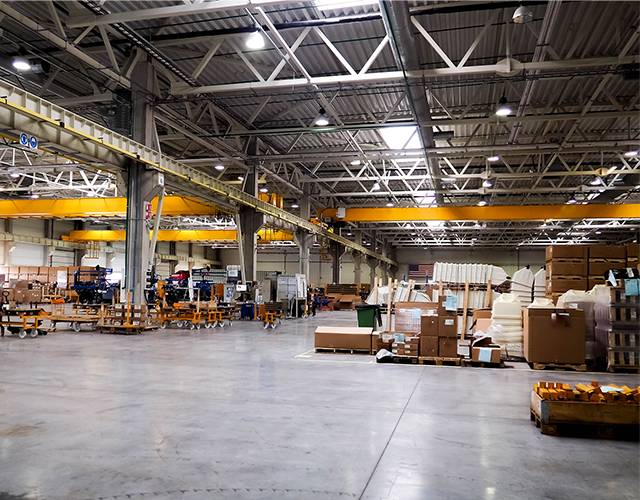
Logistics service providers are responsible for managing the flow of goods from origin to destination. This involves a complex network of transportation modes, warehousing, inventory management, customs clearance, and distribution. The efficiency and reliability of these services directly impact the success of international trade.
One of the core functions of logistics providers is transportation management. Companies like Flying International coordinate multiple transport modes, including air, sea, rail, and road, to optimize shipping routes and reduce transit times. This requires a deep understanding of global shipping lanes, port operations, and regulatory requirements.
Flying International, for example, leverages its strategic location in Shenzhen, a major global manufacturing hub, to provide efficient freight forwarding services. By integrating technology and data analytics, the company ensures that shipments are tracked in real-time, providing clients with transparency and peace of mind.
Another critical aspect of logistics is customs clearance. Navigating the complex web of international trade regulations and tariffs can be daunting for businesses. Logistics providers like Flying International have the expertise to manage these processes, ensuring that goods comply with all legal requirements and reach their destinations without unnecessary delays.
Customs compliance is not just about avoiding fines; it’s about maintaining the integrity of the supply chain. Flying International's team of experts stays abreast of changes in trade policies and regulations, enabling them to provide timely advice and solutions to their clients.
Beyond the basic transportation and customs services, logistics providers offer a range of value-added services that enhance the efficiency and effectiveness of global trade operations. These services can include inventory management, packaging, labeling, and supply chain consulting.
Effective inventory management is crucial for businesses to meet customer demand without overstocking. Logistics providers like Flying International offer warehousing solutions that are strategically located to minimize lead times. These facilities are equipped with advanced inventory management systems that provide real-time data on stock levels and movements.
By outsourcing inventory management to logistics experts, businesses can focus on their core competencies while ensuring that their supply chains remain agile and responsive to market changes.
In today's competitive market, businesses need to optimize their supply chains to reduce costs and improve service levels. Logistics providers play a key role in this by offering supply chain consulting services. Flying International, for instance, works with clients to analyze their supply chain processes and identify areas for improvement.
Through strategic partnerships and innovative solutions, Flying International helps businesses streamline their operations, enhance efficiency, and achieve sustainable growth. This consultative approach not only benefits individual businesses but also contributes to the overall health of the global trade ecosystem.
Technology is a game-changer in the logistics industry. From automation and artificial intelligence to blockchain and the Internet of Things (IoT), technological advancements are transforming the way logistics providers operate.
One of the most significant technological advancements in logistics is real-time tracking and visibility. Clients demand transparency in their supply chains, and logistics providers are meeting this need by implementing sophisticated tracking systems. Flying International, for example, uses GPS and IoT devices to monitor shipments throughout their journey.
This level of visibility allows businesses to proactively manage their supply chains, anticipate potential disruptions, and make informed decisions. It also enhances customer satisfaction by providing accurate delivery estimates and updates.
Automation is another critical area where technology is making a significant impact. From automated warehouses to robotic process automation (RPA) in administrative tasks, logistics providers are leveraging technology to improve efficiency and reduce costs.
Flying International has invested in automated systems that streamline operations and reduce the risk of human error. This not only speeds up processes but also enhances the accuracy and reliability of logistics services.
Despite the many advancements and opportunities in the logistics industry, providers face several challenges that can impact their operations and the broader global trade environment.
One of the primary challenges is navigating the ever-changing landscape of trade regulations and policies. Tariffs, trade agreements, and regulatory requirements can shift rapidly, creating uncertainty for businesses engaged in international trade.
Logistics providers like Flying International must remain agile and adaptable, continuously monitoring changes in trade policies and adjusting their strategies accordingly. This requires a deep understanding of global trade dynamics and a proactive approach to risk management.
As the world becomes more environmentally conscious, logistics providers are under pressure to adopt sustainable practices. This includes reducing carbon emissions, minimizing waste, and optimizing resource use.
Flying International is committed to sustainability and has implemented several initiatives to reduce its environmental footprint. This includes investing in fuel-efficient transportation, utilizing renewable energy sources in warehousing, and promoting green logistics practices.
The future of logistics is bright, with continued advancements in technology and a growing focus on sustainability. Logistics providers will play an increasingly important role in shaping the future of global trade by driving innovation and efficiency in supply chain operations.
Flying International is at the forefront of this transformation, leveraging its expertise and resources to deliver cutting-edge logistics solutions that meet the evolving needs of businesses worldwide. By embracing change and investing in the future, logistics providers will continue to be critical enablers of global trade.
In conclusion, logistics service providers like Shenzhen Flying International Freight Forwarder Co., Ltd. are essential to the smooth functioning of global trade. Their expertise in transportation management, customs compliance, and value-added services ensures that goods move efficiently across borders.
As the industry continues to evolve, logistics providers must adapt to new challenges and opportunities. By embracing technology and sustainability, companies like Flying International are well-positioned to lead the way in shaping the future of global logistics and trade.
The importance of logistics providers cannot be overstated. They are the unsung heroes of global commerce, enabling businesses to reach new markets, serve their customers better, and contribute to the growth of the global economy. As we look to the future, it is clear that logistics service providers will remain a cornerstone of international trade, driving innovation and excellence in supply chain management.


