
Shenzhen Flying International Freight
Forwarder Co., Ltd.
sales@flying-trans.com
+86-15818568920

- All
- Product Name
- Product Keyword
- Product Model
- Product Summary
- Product Description
- Multi Field Search
Views: 0 Author: Site Editor Publish Time: 2025-12-23 Origin: Site


When it comes to international shipping, businesses have several options to choose from, each with its own advantages and disadvantages. Among these, railway shipping is often seen as a middle ground between the speed of air freight and the cost-effectiveness of sea freight. While air and sea freight are commonly used, railway shipping provides several unique benefits that can make it the preferred choice in specific situations. In this article, we’ll explore the key benefits of railway shipping compared to air and sea freight, helping businesses make an informed decision based on their shipping needs.
Railway shipping, also known as rail freight, involves transporting goods over long distances using trains. Rail freight is one of the oldest and most reliable forms of transportation and continues to be a crucial component of the global supply chain. It’s especially popular in regions with well-developed railway infrastructure, such as Europe, North America, and parts of Asia.
Goods are typically loaded onto freight cars and transported along rail tracks, offering a relatively cost-effective and eco-friendly alternative to air and sea freight. Railway shipping is especially suited for large shipments of goods that require reliable, heavy-duty transportation, including raw materials, bulk commodities, and manufactured goods.
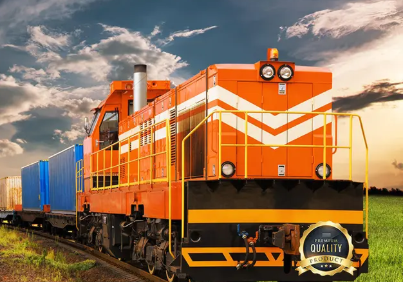
One of the most significant benefits of railway shipping compared to air and sea freight is the cost-efficiency for larger shipments.
Cost Comparison: While air freight is the fastest but most expensive mode of transport and sea freight is slower but more affordable for bulk goods, railway shipping offers a middle ground. Rail can carry large amounts of freight at relatively low costs, making it an ideal choice for bulk shipments, especially for landlocked countries or regions where rail infrastructure is robust.
Economies of Scale: Trains can transport vast quantities of goods, which lowers the cost per unit for businesses that are shipping large quantities of items. This makes rail a cost-effective option for heavy and bulk shipments, such as raw materials, construction equipment, and industrial machinery.
Mode of Freight | Cost Efficiency | Ideal For |
Rail Freight | Cost-effective for large shipments | Bulk goods, heavy machinery, industrial products |
Air Freight | Expensive, fast | Small, time-sensitive shipments |
Sea Freight | Economical for large volumes but slower | Bulk goods, long-distance international shipping |
In today’s world, sustainability is a growing concern, and businesses are increasingly looking for ways to reduce their carbon footprints. When compared to air and sea freight, railway shipping is significantly more eco-friendly.
Lower Carbon Emissions: Trains are generally much more fuel-efficient than trucks and airplanes. A ton of freight transported by rail emits less carbon dioxide than when the same amount is transported by road or air. This makes rail freight a more sustainable choice for businesses aiming to improve their environmental impact.
Electric Trains: In many regions, electric trains are used, which reduces reliance on fossil fuels and further decreases the environmental impact of railway shipping. This makes it a particularly attractive option for companies committed to reducing their carbon footprint.
Rail vs. Air Freight: Air freight is the least eco-friendly mode of transport, producing significant carbon emissions due to the energy-intensive nature of air travel. Railway shipping, by contrast, offers a greener alternative for transporting goods over long distances.
Another key benefit of railway shipping is its reliability and consistency. Unlike air freight, which is subject to weather delays and airport congestion, or sea freight, which can be delayed due to port issues and weather conditions, railway shipping tends to have fewer disruptions.
Fixed Schedules: Trains run on fixed schedules, and once the cargo is loaded, it is less likely to encounter significant delays compared to air or sea shipping, which are more prone to unpredictable events like storms or air traffic delays.
Reduced Risk of Theft: While air and sea freight can experience higher risks of theft or cargo mishandling, railway shipping typically involves fewer handoffs and is more secure in terms of transit. Cargo is often transported directly from point to point, reducing the chances of theft.
Predictable Delivery Times: Railway freight generally has more predictable delivery times compared to sea freight, which may encounter port congestion or customs delays. With air freight, while delivery times are fast, costs can fluctuate and delays are possible due to customs clearance or other factors.
Air Freight: Air freight is the fastest option, offering next-day delivery or even same-day delivery for some regions. However, this comes at a significantly higher cost.
Sea Freight: Sea freight, on the other hand, is much slower, taking several weeks or even months for long-distance shipments. However, for large volumes of goods, it remains one of the most affordable options.
Railway Shipping: Railway shipping offers a compromise between speed and cost. It is faster than sea freight but slower than air freight. Typically, it takes a few days to a week, depending on the distance. For long-distance shipments, railway shipping can offer reliable delivery without the high cost of air transport.
Mode of Freight | Speed | Ideal For |
Air Freight | Fastest | Small, urgent, time-sensitive shipments |
Sea Freight | Slowest | Bulk, long-distance shipments |
Rail Freight | Moderate speed | Large shipments, long-distance, non-urgent |
Air Freight: Air freight is best suited for international and long-distance shipments but can be limited by the need for nearby airports and high transportation costs.
Sea Freight: Sea freight is most effective for shipments between major ports, particularly for global trade. It works well for bulk shipments but is limited to coastal regions with proper port infrastructure.
Railway Shipping: Railway shipping is a great option for long-distance transport, particularly in countries with extensive rail infrastructure. It is ideal for landlocked countries or regions with strong rail systems, offering an efficient and cost-effective alternative to truck shipping. In many cases, rail can be combined with sea freight for intermodal solutions, reducing costs and improving efficiency.
The volume of your shipment plays a significant role in determining the best freight method. For larger shipments, railway shipping can be an excellent option due to its cost-effectiveness and ability to handle large volumes efficiently. However, for smaller, time-sensitive shipments, air freight may be the better choice.
If time is critical, air freight may be the obvious choice, although it comes at a premium cost. For less time-sensitive shipments, rail offers a good balance between speed and affordability. Sea freight, while cost-effective, is better suited for non-urgent, large-scale shipments.
If reducing your carbon footprint is a priority, railway shipping is the most environmentally friendly option compared to air and sea freight. Electric trains and fuel-efficient rail transport contribute to lower emissions and a more sustainable supply chain.
Choosing the right mode of transport for your goods is essential to ensuring that your products reach their destination on time, within budget, and in perfect condition. Railway shipping provides a cost-effective, reliable, and sustainable solution for businesses that need to move large shipments across long distances. While air freight offers speed and sea freight offers affordability, railway shipping strikes an excellent balance between these two options, making it an attractive choice for many industries.
At ShenZhen Flying International Freight Forwarder Co., Ltd., we provide a wide range of freight solutions, including rail, air, and sea shipping. Whether you need to transport bulk goods or urgent shipments, our experienced team can guide you through the best shipping options for your needs. Contact us today to learn more about how we can help streamline your logistics and ensure the safe and efficient transportation of your goods.
Railway shipping is more cost-effective for large shipments and is generally more reliable and predictable than air freight, which is faster but much more expensive. Rail offers a good middle ground for time-sensitive shipments that don’t require the speed of air freight.
Yes, railway shipping tends to be more environmentally friendly than sea freight, particularly when electric trains are used. Trains are more fuel-efficient than trucks or airplanes, reducing the carbon footprint of transporting goods.
Railway shipping typically takes between a few days to a week, depending on the distance and geography. It is faster than sea freight but slower than air freight, making it a good option for medium-to-long-distance shipments.
Yes, intermodal transport is a common practice, where goods are moved by both rail and sea, combining the benefits of each. This hybrid method is often used for long-distance international shipments.
Railway shipping is ideal for businesses looking to transport large volumes of goods over medium to long distances. It’s cost-effective, reliable, and more sustainable than air freight, making it a solid choice for non-urgent shipments that still require speed and efficiency.


