
Shenzhen Flying International Freight
Forwarder Co., Ltd.
sales@flying-trans.com
+86-15818568920

- All
- Product Name
- Product Keyword
- Product Model
- Product Summary
- Product Description
- Multi Field Search
Views: 0 Author: Site Editor Publish Time: 2025-12-16 Origin: Site


Sea shipping plays a critical role in global trade, accounting for around 80% of the world’s goods transportation. With the increasing demand for goods across countries and continents, businesses must ensure that their sea shipping operations are as efficient and cost-effective as possible. Tracking, managing, and optimizing these operations not only helps reduce costs but also improves delivery times, enhances customer satisfaction, and ensures smoother international logistics.
Effective tracking of your sea shipping operations is essential to ensure that goods are delivered on time and in good condition. Thanks to advancements in modern technology, tracking shipments across various stages of the shipping process has become easier than ever. Today, businesses and consumers can access real-time data that provides full visibility into their cargo, allowing them to make informed decisions and solve issues proactively. Let's dive deeper into how you can track your sea shipments effectively.
Most shipping companies today offer sophisticated tracking systems that allow you to monitor the progress of your shipments in real-time. These systems leverage Global Positioning System (GPS) and Radio Frequency Identification (RFID) technologies to track the location and status of shipping containers across their journey.
Visibility: Real-time tracking provides full visibility into the location and progress of your goods, allowing businesses to plan better and make more informed decisions. Knowing the exact position of your shipment helps you anticipate any delays, evaluate transit times, and adjust accordingly. This is particularly helpful when dealing with multiple shipments or urgent deliveries, as businesses can prioritize and allocate resources more effectively.
Transparency: By using real-time tracking, both the shipper and the customer can monitor the shipment’s journey. This increases transparency and reduces misunderstandings. For customers, the ability to track their orders from point of origin to delivery gives them peace of mind, knowing that they can keep track of their purchase throughout the process.
Proactive Problem Solving: With the ability to track shipments in real-time, businesses can quickly identify any issues that arise, such as delays, diversions, or customs clearance problems. This visibility enables proactive problem-solving. For instance, if a shipment is delayed due to weather conditions or congestion at a port, businesses can inform customers early and adjust delivery schedules accordingly. Real-time tracking empowers businesses to take corrective action immediately, minimizing the impact of unexpected disruptions.
Shipping Milestones: Besides tracking the location of your shipment, tracking tools also provide updates on important shipping milestones such as port arrivals, customs clearance, and final delivery. By integrating tracking systems into your sea shipping operations, you can maintain control over your logistics process and ensure timely deliveries.
Managing sea shipping operations involves careful planning, organization, and coordination. It's crucial to implement strategies that streamline your operations, reduce inefficiencies, and ultimately optimize your shipping processes. Below are key elements to focus on when managing your sea shipping operations.
One of the most important decisions in managing sea shipping operations is selecting the right shipping partners. Your choice of freight forwarders, shipping lines, and port authorities can significantly impact the efficiency and cost-effectiveness of your shipping process.
Here are the factors to consider when evaluating potential shipping partners:
Shipping Schedules: Shipping schedules are essential for timely deliveries. Choose partners with dependable schedules and consistent performance. Shipping delays can have a ripple effect on your entire supply chain, so working with a reliable partner helps minimize these disruptions.
Service Quality: The quality of service provided by freight forwarders and shipping lines is a reflection of their experience and professionalism. Look for partners who offer comprehensive services, such as customs handling, warehousing, documentation support, and cargo insurance. Having a one-stop shop for all logistics needs can help simplify operations.
Experience and Reputation: Consider working with established shipping companies that have a proven track record in the industry. Experienced freight forwarders are familiar with the intricacies of international shipping, reducing the likelihood of errors, delays, or unforeseen issues. Partnering with reputable companies ensures smoother operations and minimizes the risk of shipping mishaps.
When you select the right shipping partners, you're setting up the foundation for an efficient shipping process that can help you meet delivery deadlines, reduce operational risks, and maintain customer satisfaction.
Managing the necessary documentation for international shipments is a crucial part of sea shipping operations. Proper documentation ensures smooth customs clearance, reduces delays, and helps avoid penalties. Common documents required for sea shipping include:
Bills of Lading: This document serves as a receipt for cargo and outlines the terms of the shipment.
Customs Declarations: Required for clearing goods through customs, these declarations ensure compliance with regulations and tariffs.
Cargo Insurance: Provides coverage for the goods in case of damage or loss during transit.
Certificates of Origin: Used to prove the origin of the goods, which may be needed to meet the importing country’s requirements.
Shipping costs can vary significantly depending on various factors, including distance, vessel type, cargo size, and shipping company. Effective cost management is essential to ensure that your shipping operations remain cost-effective and competitive.
Here are some ways to manage your shipping costs:
Consolidation: Consolidating shipments into one large container rather than sending multiple smaller shipments can significantly reduce shipping expenses. This strategy is especially beneficial for businesses that send smaller volumes of goods but want to lower their unit cost per shipment. By grouping shipments, you take advantage of the lower cost per unit of space in a full container.
Negotiate Rates: Shipping rates can vary depending on the volume and frequency of shipments. If you consistently ship large volumes, negotiate better rates with your freight forwarders or shipping lines. Many companies offer discounts for high-volume shippers or long-term customers. Negotiating rates is crucial for reducing costs in the long term.
Select the Right Shipping Mode: Different types of vessels, such as container ships or bulk carriers, have different cost structures. Choosing the appropriate shipping mode based on your cargo’s characteristics (size, weight, perishability, etc.) will help optimize costs. For example, containerized shipping is generally more cost-effective for smaller, high-value goods, while bulk shipping is ideal for larger, bulkier cargo.
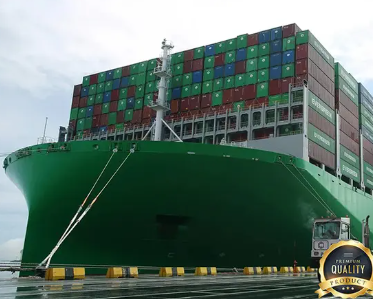
Optimizing sea shipping operations is essential to reducing costs, improving efficiency, and enhancing the overall customer experience. Here are several key strategies to optimize your operations:
Automation and technology have revolutionized the shipping industry. Incorporating technologies like Transportation Management Systems (TMS) and Warehouse Management Systems (WMS) can significantly improve operational efficiency.
These technologies can help you:
Optimize Routes: Using predictive analytics, TMS can help optimize shipping routes, saving both time and money.
Reduce Idle Time: Automation can help reduce delays by ensuring smoother transitions between different stages of shipping, such as loading, unloading, and customs clearance.
Track Shipments Efficiently: By integrating real-time tracking with your internal systems, you can get a more comprehensive view of your supply chain.
Ports are the key hubs in sea shipping operations. Efficient port management can save time, reduce congestion, and improve turnaround times for ships.
Use of Digital Port Management Systems: Many ports have implemented digital systems to streamline cargo handling and reduce wait times. By leveraging these technologies, you can ensure faster clearance and loading/unloading times.
Prioritize Efficient Routes and Schedules: Working with shipping lines to select the best times and routes can avoid congestion and reduce port-related delays.
With environmental concerns on the rise, optimizing sea shipping operations also involves implementing sustainable practices. Here’s how you can reduce your environmental impact:
Green Shipping Initiatives: Many shipping companies are adopting eco-friendly technologies, such as energy-efficient ships, to reduce fuel consumption and emissions.
Carbon Offset Programs: Some freight forwarders offer carbon offset programs that allow businesses to neutralize their carbon emissions by investing in renewable energy projects or tree planting initiatives.
Reducing Waste: Implementing waste reduction strategies, such as minimal packaging and container optimization, can lower your environmental footprint.
Data is one of the most powerful tools to optimize sea shipping operations. By analyzing historical shipping data, businesses can:
Identify Bottlenecks: Analyze delays or inefficiencies in the shipping process and take steps to eliminate them.
Forecast Demand: Use data to predict shipping volumes and prepare for peak periods, ensuring that you can manage fluctuations in demand effectively.
Improve Customer Experience: By having better visibility and understanding of your supply chain, you can offer your customers more accurate delivery times and keep them informed throughout the shipping process.
Tracking, managing, and optimizing sea shipping operations is an essential part of maintaining a competitive edge in today’s global marketplace. By adopting the strategies outlined in this article, businesses can reduce shipping costs, improve delivery times, enhance customer satisfaction, and contribute to sustainability efforts.
At ShenZhen Flying International Freight Forwarder Co., Ltd., we are committed to offering reliable, cost-effective, and efficient sea shipping solutions. Our experienced team of professionals is ready to assist with all aspects of your sea shipping operations, from route optimization to cost management and everything in between. If you're looking to streamline your sea shipping processes, we invite you to contact us. We can help you navigate the complexities of global logistics and ensure that your sea shipments are always on track.


